Industry Insights
Industry Insights
What Spirits Can Learn From the 90s Alt-Bev/Soda Moment
What Spirits Can Learn From the 90s Alt-Bev/Soda Moment
RTDs aren’t just a lesson in format. They’re a lesson in how to shift your occasion marketing.
RTDs aren’t just a lesson in format. They’re a lesson in how to shift your occasion marketing.
By Philipp Klumpp · Published June 2026
By Philipp Klumpp · Published June 2026
In 1994, cola fell below half of U.S. soft-drink sales for the first time. What took its place wasn’t a better cola. It was an entire aisle of brands competing on personalization and salience: teas, waters, sports drinks, fruit drinks, herbal tonics, visual oddities.
In 1994, cola fell below half of U.S. soft-drink sales for the first time. What took its place wasn’t a better cola. It was an entire aisle of brands competing on personalization and salience: teas, waters, sports drinks, fruit drinks, herbal tonics, visual oddities.

Spirits is staring at its own version of that shift. RTDs now represent roughly 10% of spirits supplier revenue (when cola fell below half, the alternative-beverage aisle had grown to roughly 12% of the soft-drink market: nearly the same wedge). What you see is a mature default category losing cultural heat, while more expressive, more personal brands start pulling attention. The shape is too familiar to ignore.
Spirits is staring at its own version of that shift. RTDs now represent roughly 10% of spirits supplier revenue (when cola fell below half, the alternative-beverage aisle had grown to roughly 12% of the soft-drink market: nearly the same wedge). What you see is a mature default category losing cultural heat, while more expressive, more personal brands start pulling attention. The shape is too familiar to ignore.
The spirits downturn is a volume problem, but not only that. It’s a marketing problem, a branding problem, a resonance problem. A personalization problem.
The spirits downturn is a volume problem, but not only that. It’s a marketing problem, a branding problem, a resonance problem. A personalization problem.
Too much of the category is still solely selling credentials: provenance, process, rare botanicals, celebrity founders. As if credentials were the same thing as salience.
Too much of the category is still solely selling credentials: provenance, process, rare botanicals, celebrity founders. As if credentials were the same thing as salience.
One more brand telling you it’s 100% pure blue agave. One more beauty shot next to a rocks glass. Assembled by a committee trying not to offend anyone.
One more brand telling you it’s 100% pure blue agave. One more beauty shot next to a rocks glass. Assembled by a committee trying not to offend anyone.


The 90s aisle was the opposite of that. Snapple wasn’t just tea. It was delis, glass bottles, Wendy the Snapple Lady, a voice that felt like a person. SoBe was lizards, anticorporate, and functional edge. These brands were loud and specific by design. The weirdness, the fun, it wasn’t arbitrary. It was the signal. It told a specific consumer: this one is yours.
The 90s aisle was the opposite of that. Snapple wasn’t just tea. It was delis, glass bottles, Wendy the Snapple Lady, a voice that felt like a person. SoBe was lizards, anticorporate, and functional edge. These brands were loud and specific by design. The weirdness, the fun, it wasn’t arbitrary. It was the signal. It told a specific consumer: this one is yours.

The brands that lasted did it in service of a real identity. You didn’t need to be in the industry to know exactly what kind of person drank Snapple versus SoBe versus AriZona, and what that choice said about who they were in that moment. There’s a magic that happens when your salience matches your target audience’s identity and self-actualizes the moment and their expression.
The brands that lasted did it in service of a real identity. You didn’t need to be in the industry to know exactly what kind of person drank Snapple versus SoBe versus AriZona, and what that choice said about who they were in that moment. There’s a magic that happens when your salience matches your target audience’s identity and self-actualizes the moment and their expression.
RTDs are borrowing from parts of the 90s playbook. Format is part of the reason, but not the whole story. The constraint of a 12oz can forced specificity and identity-fit. A can has to be something, for someone, in a specific moment. That pressure pushed RTD brands toward consumer identity in a way the spirits bottle, versatile, premium-positioned, built to be “for any occasion,” never had to reckon with. High Noon isn’t just a vodka soda. Fireball turned a sensory hit into a group ritual with its own social code. BuzzBallz is impulse, discovery, party energy. You know exactly who’s reaching for it and why. The salience serves a specific identity. That’s the sequence.
RTDs are borrowing from parts of the 90s playbook. Format is part of the reason, but not the whole story. The constraint of a 12oz can forced specificity and identity-fit. A can has to be something, for someone, in a specific moment. That pressure pushed RTD brands toward consumer identity in a way the spirits bottle, versatile, premium-positioned, built to be “for any occasion,” never had to reckon with. High Noon isn’t just a vodka soda. Fireball turned a sensory hit into a group ritual with its own social code. BuzzBallz is impulse, discovery, party energy. You know exactly who’s reaching for it and why. The salience serves a specific identity. That’s the sequence.

What survives is identity-fit.
What survives is identity-fit.
What survives is identity-fit.
Identity-Fit is what happens when specificity of identity meets specificity of occasion, and the brand goes all in on both. The work is not “outdoor occasions,” with barbecue, pool, beach, and boat rounded into the same media bucket. It is the pool party, the specific person inside that pool party, and the details that make the brand feel inevitable there. There’s a reason the Snapple drinker at the deli and the High Noon at the pool party don’t feel like marketing. The brand was specific enough that the rest took care of itself. Look at the High Noon Pool Pack. You can almost imagine a marketer in the room saying, “Let’s call it the Summer Pack so it reaches more people,” and killing the specificity in the process. Most spirits brands are still too broad to do the job of specificity.
Identity-Fit is what happens when specificity of identity meets specificity of occasion, and the brand goes all in on both. The work is not “outdoor occasions,” with barbecue, pool, beach, and boat rounded into the same media bucket. It is the pool party, the specific person inside that pool party, and the details that make the brand feel inevitable there. There’s a reason the Snapple drinker at the deli and the High Noon at the pool party don’t feel like marketing. The brand was specific enough that the rest took care of itself. Look at the High Noon Pool Pack. You can almost imagine a marketer in the room saying, “Let’s call it the Summer Pack so it reaches more people,” and killing the specificity in the process. Most spirits brands are still too broad to do the job of specificity.

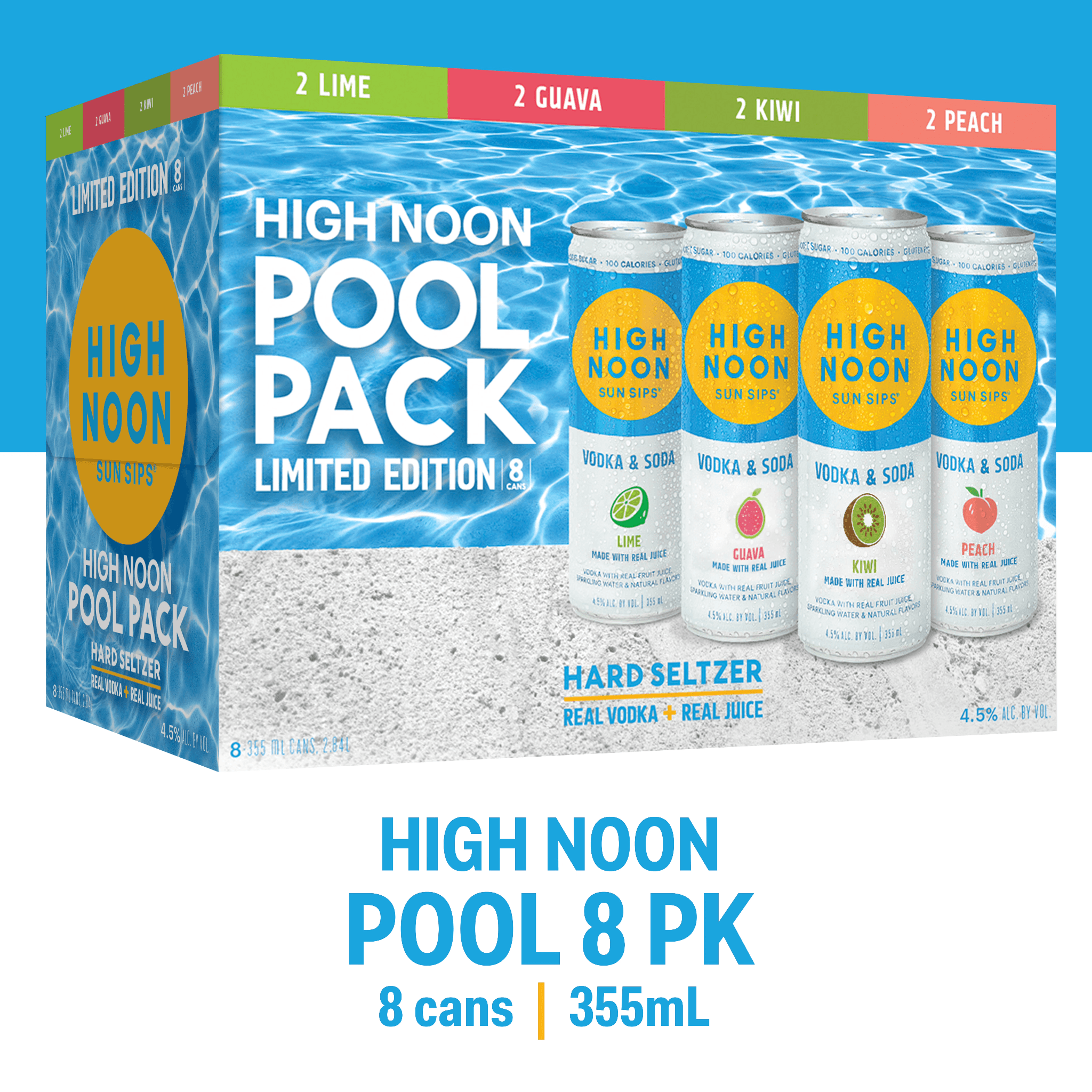
The work starts with a decision most spirits brands haven’t made: who, specifically, are we for, and what moment are we load-bearing in? Not a demographic. Not an occasion map. A real person in a real moment, and a clear answer to what reaching for your brand says about them when they’re in it. From there it’s about building the memory structures, the visual code, the behavioral ritual, the social signal, that make that identity legible without explanation. That’s what Snapple did. That’s what High Noon did. That’s what the next spirits brand to break through will do. The category has spent a decade getting better at premium. The next decade belongs to the brands that get specific with their identity fit and bring that specificity to their comms strategies.
The work starts with a decision most spirits brands haven’t made: who, specifically, are we for, and what moment are we load-bearing in? Not a demographic. Not an occasion map. A real person in a real moment, and a clear answer to what reaching for your brand says about them when they’re in it. From there it’s about building the memory structures, the visual code, the behavioral ritual, the social signal, that make that identity legible without explanation. That’s what Snapple did. That’s what High Noon did. That’s what the next spirits brand to break through will do. The category has spent a decade getting better at premium. The next decade belongs to the brands that get specific with their identity fit and bring that specificity to their comms strategies.
What should spirits brands do now?
Stop marketing to broad occasions. “Outdoor,” “summer,” “night out,” and “hosting” are not sharp enough. Pick the actual human, the actual moment, and the actual behavior.
Decide what reaching for the brand says about the drinker. If the brand choice does not communicate something socially, emotionally, or culturally, the brand is probably still relying too much on credentials.
Build distinctive memory structures around the moment. Not just prettier assets. Build the visual codes, rituals, serves, pack ideas, language, social behaviors, and media environments that make the brand instantly legible.
Use media to test identity-fit, not just efficiency. Look at which audiences, occasions, messages, and creative cues create real pull. Then scale the moments where the brand feels inevitable.